


 By guest - July 26, 2026
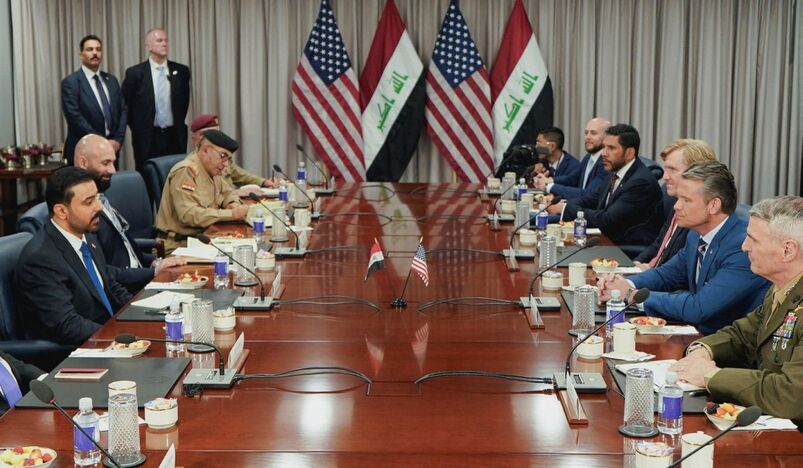
Iraq is one of OPEC's biggest oil producers, but it cannot keep its own power stations running without help from its neighbour. Years of war, corruption, under-investment and an ageing grid have left the country reliant on Iranian natural gas and, until recently, Iranian electricity to meet demand a dependence that has become a central lever in the confrontation between Washington and Tehran.
A dependence built over two decades
Roughly four-fifths of Iraq's electricity is generated from natural gas, and for years a large share of that gas has come from Iran, feeding power plants that would otherwise fall silent. Iran has also exported electricity directly across the border. Analysts have estimated Iranian gas underpinned a substantial portion of Iraqi supply, while direct Iranian electricity imports were smaller a few percent of consumption but still significant in specific regions and at peak times.
The dependence is not one-sided. Iraq is a vital source of hard currency for a sanctions-hit Iran, and the two countries' mismanaged energy sectors have left them, in the words of one analysis, mutually reliant on the same flows.
Washington's pressure campaign
Since 2018, when the first Trump administration withdrew from the Iran nuclear deal and reimposed sanctions, the United States has used a series of waivers to let Iraq keep buying Iranian energy without penalty while pressing Baghdad to wean itself off Tehran. Successive waivers were tied to conditions, including routing payments through monitored accounts for humanitarian use.
That calculus hardened when the Trump administration returned to office and revived its “maximum pressure” policy. In early 2025 it allowed the electricity-import waiver to lapse, ending direct Iranian power supplies, and signalled it wanted Iraq off Iranian gas as well. For Washington, the logic is straightforward: every dollar Baghdad pays Tehran for energy is a dollar that eases pressure on the Iranian economy, and cutting the link would both squeeze Iran and loosen its grip on Iraqi politics.
Tehran's leverage and its limits
For Tehran, energy exports to Iraq are both a revenue stream and a form of influence, reinforcing ties with a neighbour where Iran-aligned parties and armed groups hold considerable sway. Yet that leverage cuts both ways. Beset by its own shortages, Iran has repeatedly curtailed gas and electricity deliveries to Iraq, particularly in winter and at peak summer demand, deepening the very blackouts that fuel Iraqi anger.
Iraq caught in the middle
The country that suffers most from this tug-of-war is Iraq itself. When supplies are cut whether by US sanctions or Iranian shortfalls Iraqis endure long outages in summer temperatures that can top 50 degrees Celsius, and the resulting protests have repeatedly turned deadly. Baghdad has long acknowledged the need to diversify but has been slow to act.
That is now changing, unevenly. Iraq has moved to increase electricity imports from Turkey, commissioned an interconnection with Jordan and pursued links to the Gulf grid, while signing deals with international majors to capture the gas it currently flares off at its own oil fields enough, in theory, to end its dependence on imports altogether. Progress has been hampered by financing, security and political resistance from factions with an interest in the status quo.
The stakes
As tensions between Washington and Tehran have escalated across the region, Iraq's grid has taken on outsized strategic weight. If the United States succeeds in severing the energy link, it would mark a significant blow to Iranian influence in Baghdad; if it moves too fast, it risks plunging a fragile partner into crisis and igniting unrest. For Iraq, the path out lies in finally building the domestic capacity and alternative supplies that would let it stop choosing sides and stand on its own.





_20-08-2026_05-08.jpg)
_27-51-2026_11-51.png)
_27-43-2026_12-43.png)



.jpg)
.jpg)



.jpg)


.jpg)
.png)
.jpg)











Leave a comment